From Pool to Lake: A Beginner's Introduction to Open Water Swimming
Pool swimming has walls, lines and lifeguards; open water has horizons, weeds and a completely different relationship with the sport. The wild swimming boom converted thousands of pool swimmers — the transition guide covers the three skills and the safety architecture.
The Difference Briefing
Open water removes the pool’s infrastructure: no walls (no rest every 25 meters — pacing changes), no lines (navigation becomes a skill), variable temperature and the occasional weed encounter (startling, harmless, traditional). The swimming is the same; the environment is a new sport’s worth of context.
The Sighting Skill
The signature open-water technique: lifting eyes forward every 6-10 strokes to aim at a landmark (the crocodile-eyes peek folded into the stroke) — without it, swimmers arc dramatically off course (everyone pulls to one side; open water reveals yours). Practice in the pool first: sight at the flags, keep the stroke.

The Safety Architecture
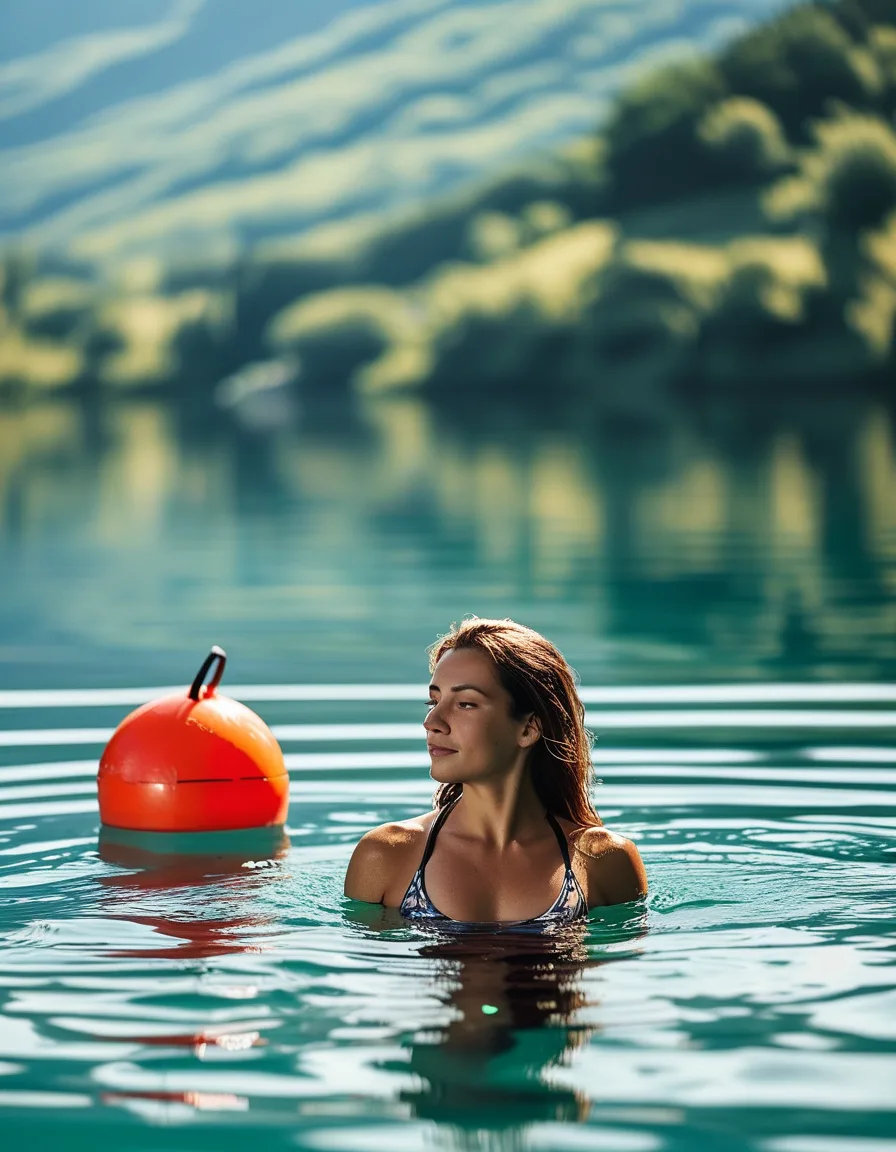
Open water’s non-negotiables: never alone (the buddy or the organized group — open water swim communities are welcity welcoming and everywhere), the tow float (the bright inflatable buoy: visibility to boats plus a rest raft, the wild swimmer’s uniform), entry-point knowledge (currents, boats, exit options) and the acclimatization minute (cold water wants a gradual entry, not a plunge — the gasp reflex is real physiology).
The Wetsuit Question
The wetsuit adds warmth AND buoyancy (swimming feels notably easier — the confidence loaner for nervous beginners), makes cold seasons accessible, and is optional in warm summer lakes (‘skins’ swimming is its own pleasure). Rent before buying; the swim-specific cut matters. First swim: warm day, calm water, organized group, tow float. The lake takes onboarding seriously — and repays it with the pool’s opposite: horizon.
Sight every eight strokes, float behind you, never alone, wetsuit as training wheels. The pool taught the stroke — the lake teaches the swim, and the horizon out-motivates every wall.
Keep Reading
This article is for general informational purposes only and is not medical advice. It is not a substitute for professional diagnosis or treatment. Always consult a qualified healthcare provider about your individual situation, especially before making significant changes to your diet or exercise routine.